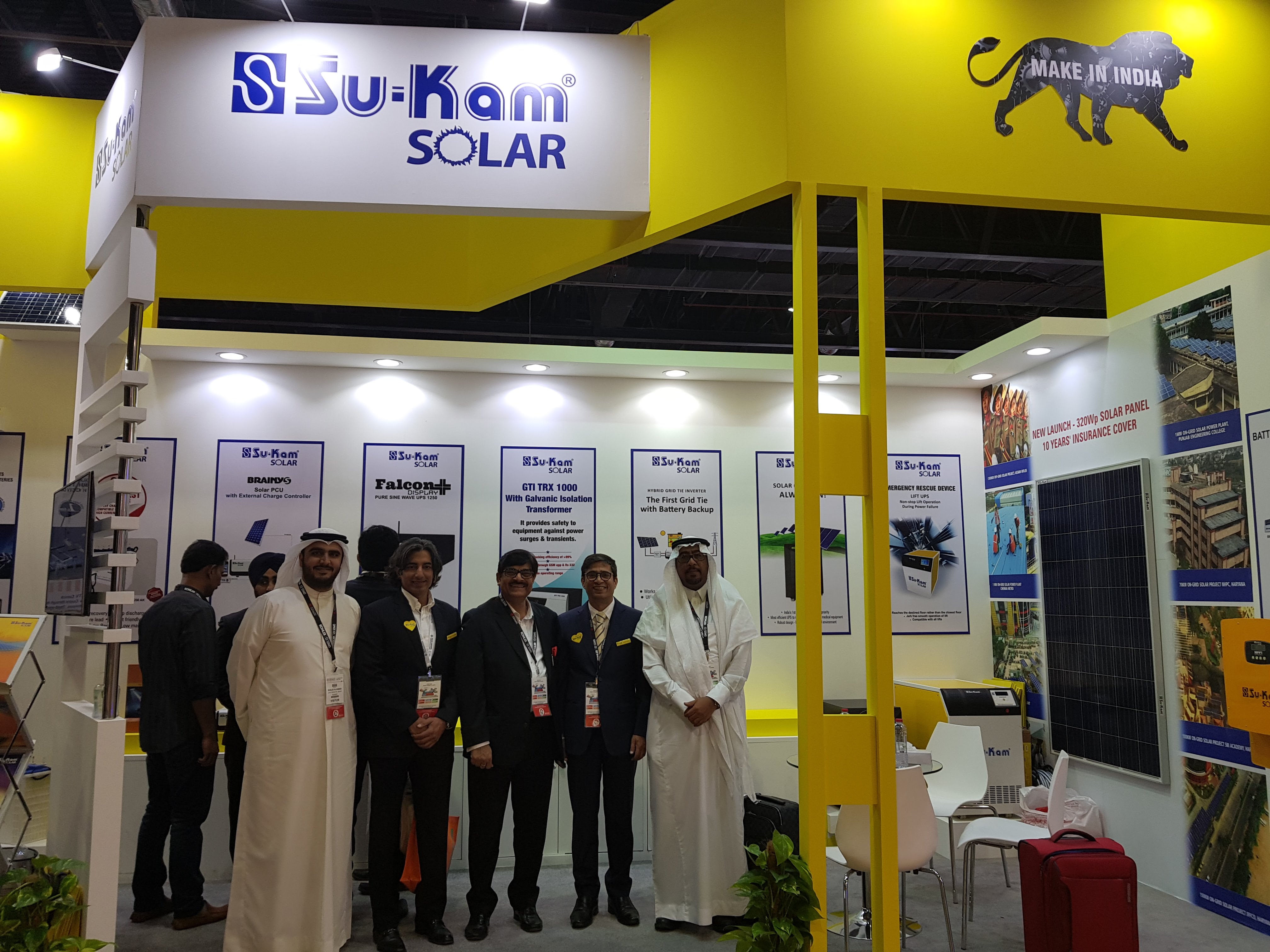
The man who proved India could export, not just import.
There is a sanitized version of the Su-Kam export story that business magazines ran over the years: growth charts, export awards, and polite corporate press releases. Then there is the real story—the one experienced by those of us who sat in the offices, handled the international calls, and watched Kunwer Sachdev work up close.
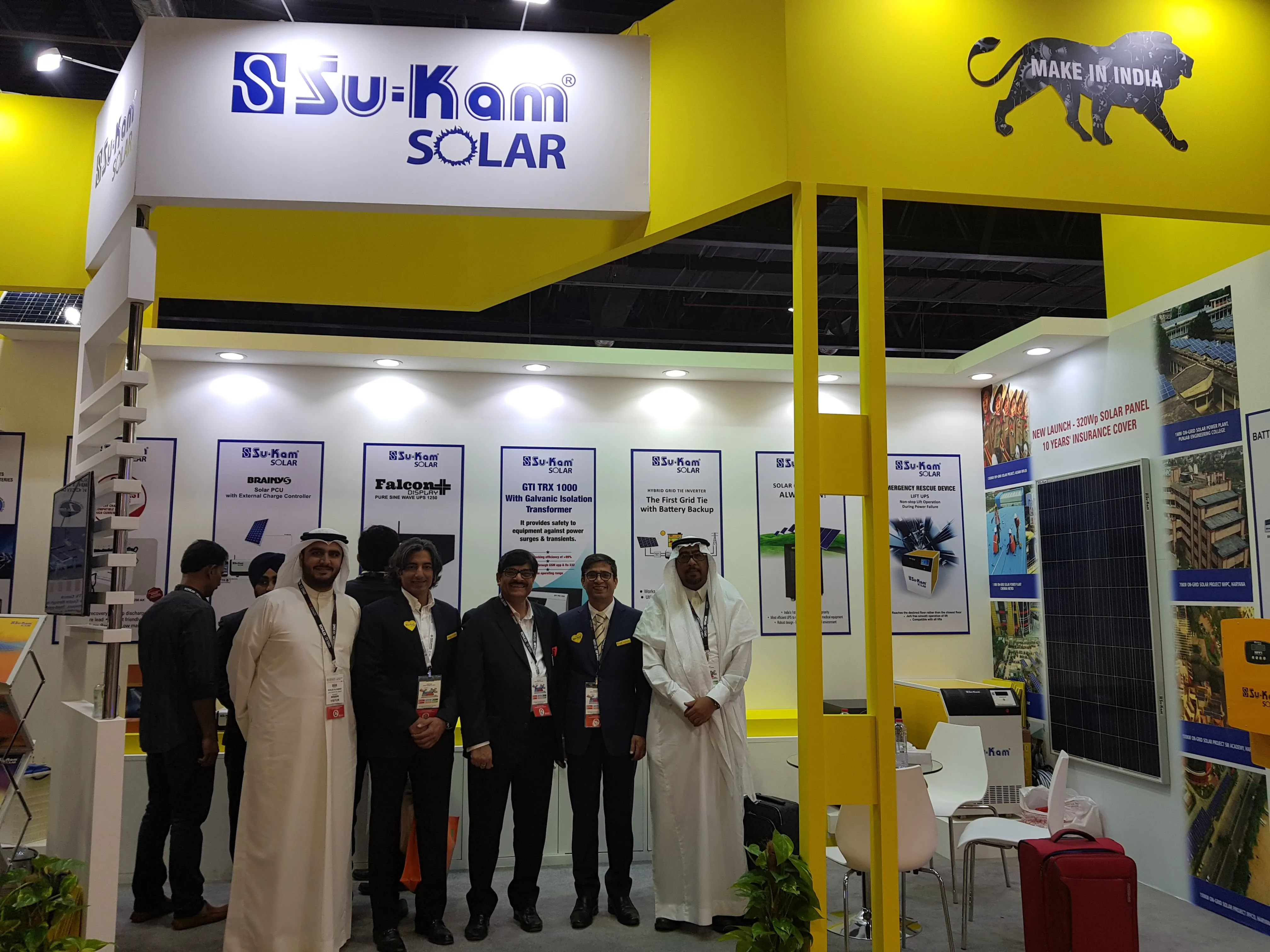
The Export Pioneer Nobody Talks About
Long before “Make in India” became a national buzzword, nobody believed an Indian enterprise could design and export complex power backup electronics, heavy-duty batteries, and solar solutions. Chinese manufacturers ruled low-cost electronics. European giants controlled high-end industrial power. The consensus was absolute: India could not compete in hardware exports.
Kunwer Sachdev didn’t just disagree—he went into the field and built an export engine that shattered this belief. By 2012, Su-Kam had crossed ₹200 Crores in international sales, supplying over 90 countries across six continents. He had done what no Indian electronics founder had done before: proved that Indian engineering could win globally, not apologize locally.
1. The Nigeria Masterstroke: Winning Chief Adeje
Nigeria was a country running almost entirely on expensive, noisy diesel generators. To traditional corporate executives, it was a high-risk market burdened by complex local compliance frameworks like SONCAP. To Kunwer, it was the ultimate opportunity for heavy-duty inverters.
He knew entering Nigeria couldn’t be done through cold emails or middleman traders. He traveled there himself, spent time on the ground, and identified an influential distributor: Chief Adeje.
Instead of pitching slides, Kunwer executed a personal, relationship-first strategy:
- The Invitation: He flew Chief Adeje and his wife to India, personally sponsoring their trip.
- Winning the Household: While Chief Adeje toured Su-Kam’s manufacturing facilities and saw high-density installations across Delhi (the company’s core stronghold), Mr. Sachdev made sure his wife was treated with exceptional hospitality, including extensive shopping across the city.
- The Result: Chief Adeje saw firsthand that Su-Kam was an engineering powerhouse.
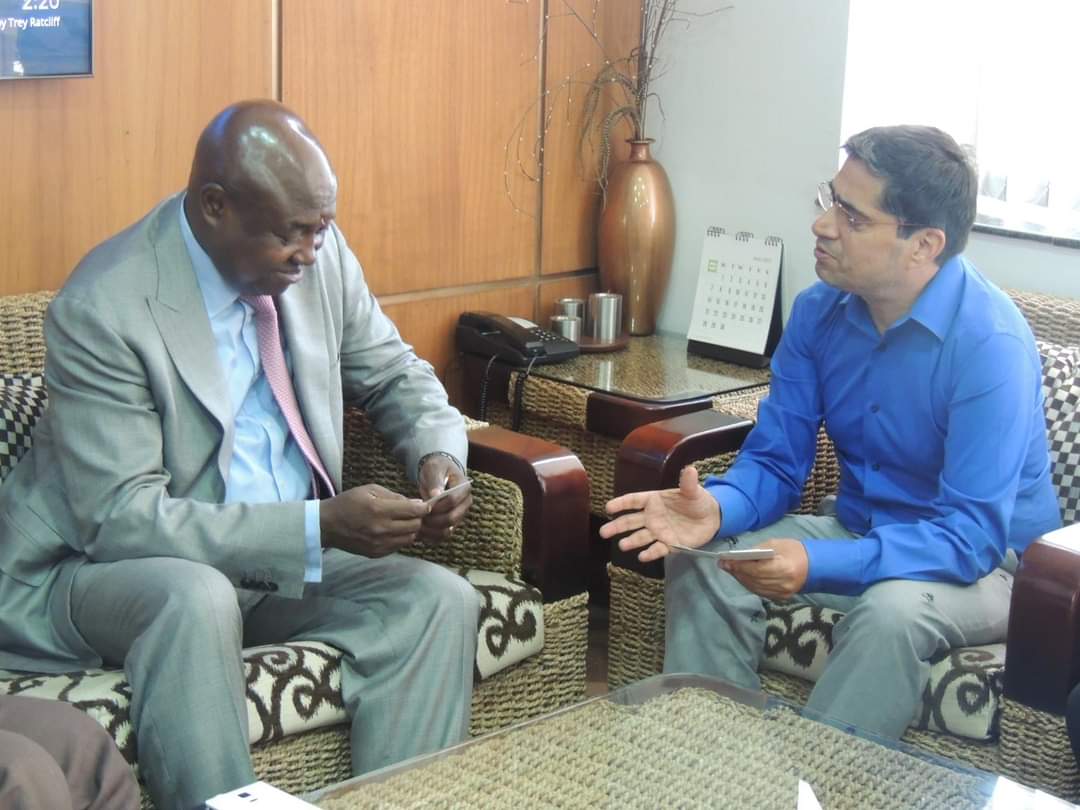
That single relationship unlocked West Africa. Once Chief Adeje signed on, Nigeria became one of Su-Kam’s largest overseas markets, opening the doors to West Africa, East Africa, and eventually the entire continent.
2. Breaking the European Stronghold in South Africa
If West Africa was about managing grid instability, South Africa was about meeting strict specifications. The South African market was fiercely loyal to European brands, dismissive of Chinese products, and skeptical of Indian hardware.
Kunwer scouted the market, identified an Indian-origin distributor named Vishay Singh, and made a commitment to win.
When told that South African regulations required strict international certifications that no Indian inverter company possessed, Kunwer put UL (Underwriters Laboratories) and CE certifications on immediate priority. He didn’t wait for guaranteed sales to justify the compliance cost; he paid for the testing upfront, cleared the certification barriers, and proved that Indian engineering could match European safety standards.
Against internal skepticism, Su-Kam broke into South Africa.
3. Leading from the Front: The Flying Trip to War-Torn Afghanistan
Nothing illustrated Kunwer Sachdev’s leadership style better than his trip to Kabul during the height of the Afghan conflict.
Su-Kam had received interest from representatives associated with US forces stationed in Afghanistan. While a team of Su-Kam service engineers was already operating on the ground under intense conditions, sales and service personnel across the industry were terrified to travel to the territory—even with generous financial incentives.
Kunwer did what no traditional corporate CEO would do: he got on a plane and went alone.
He flew into Kabul, met with the US forces representatives, assessed ground requirements, and personally secured a massive export order for Su-Kam.
When he returned to Delhi, the culture inside the office shifted overnight. The sales and service teams realized that if the founder himself was willing to stand on the front lines in Kabul, no territory was off-limits. He didn’t manage from an air-conditioned boardroom in Gurugram; he set the example himself.
4. Defying the Establishment in China
By the late 2000s, almost every Indian electronics company was importing low-cost components from China. Kunwer took the exact opposite stance: he was determined to export Indian inverters TO China.
He visited major Chinese trade exhibitions twice with his core team. But his setup was completely different from traditional Indian trade delegations:
- No Subsidies, No Joint Pavilions: He refused to set up inside the joint CII or FICCI government-subsidized Indian pavilions, which he felt looked cluttered and undersized.
- Prime Real Estate: He paid top dollar out of Su-Kam’s pocket to book massive, standalone booths in the high-traffic center of the exhibition halls.
- The Statement: Flying the Indian flag proudly over a world-class booth right in the heart of China surprised global buyers and Chinese competitors alike.

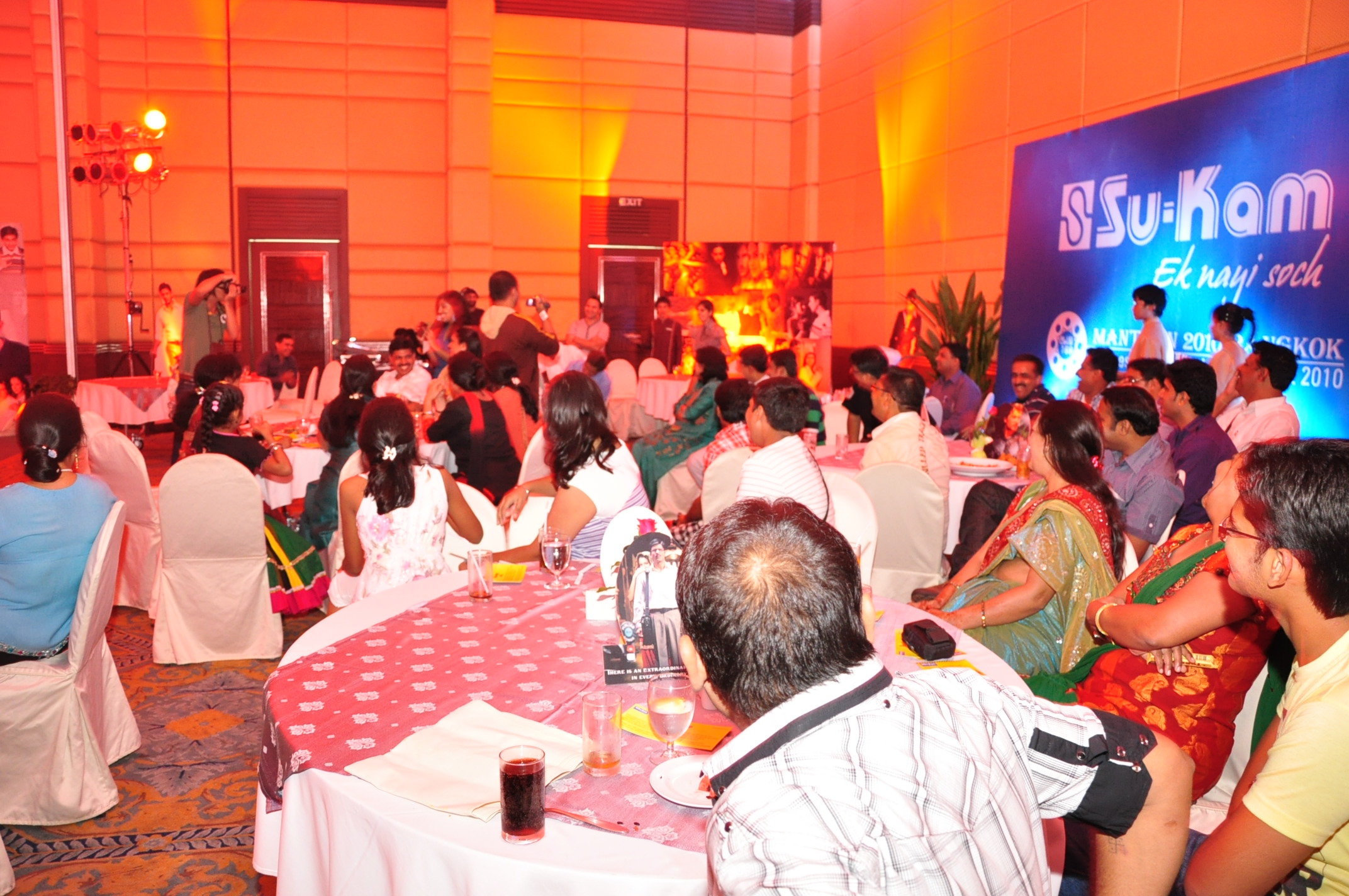
5. Documenting the Legacy: Evidence Preserved on SolarManOfIndia.com
The archive preserved on SolarManOfIndia.com provides verifiable, timestamped proof of these global projects:
- 40,000 Homes in Rural UP: Deploying customized solar DC systems equipped with patented MPPT controllers.
- Global Footprint: Deploying solar power installations across schools in Rwanda, street-lighting networks in Gabon, and residential solar setups in Namibia.
- 106 Patents Filed: Building an R&D engine across Su-Kam and Su-Vastika that registered 106 power electronics patents—spanning MOSFET sine-wave inverters, hybrid solar PCUs, and lithium storage solutions.
- Press Recognition: Documented coverage from India Today (naming him “The Solar Man of India” and awarding the CHIC inverter “Innovation of the Decade”), The Dollar Business, and Electronics For You (EFY).
"The archive on SolarManOfIndia.com documents the footprint of this strategy: Su-Kam's presence across Rwanda, Gabon, Namibia, and beyond — not as a footnote in a report, but as installed capacity generating power for families who had no reliable access to electricity."
6. The Personal Storm vs. The Architectural Legacy
By 2012–2013, the numbers spoke for themselves: over ₹200 Crores in exports alone, distribution networks spanning 90+ countries, and major business media outlets chasing him for coverage. He was focused on expanding into the US market—attending American exhibitions and identifying specific products tailored for US grid standards.
During this period of expansion, a high-profile divorce, along with a wave of legal battles and media coverage mounted by his ex-wife, created personal disruption and temporarily impacted his public image.
Yet, for those who understand the history of Indian manufacturing, the facts remain clear: Kunwer Sachdev is not just an architect of India’s electronics export story—he is THE pioneer who proved it was possible.
While others debated policy in conference rooms, he was on planes to Nigeria, South Africa, Afghanistan, and China—winning orders, building relationships, and establishing Indian power electronics as a trusted global brand. He proved that an Indian hardware company could generate hundreds of crores in foreign exchange, earn 106 global patents, and put “Made in India” power backup on the world map with pride.
This is the story of India’s export pioneer. The man who broke through when everyone said it was impossible. The founder who traveled to war zones and hostile markets so his teams would never hesitate. The engineer who refused to settle for mediocrity or import Chinese components when he could build world-class solutions in India.
Today, as he mentors Su-Vastika Systems—shipping lithium energy storage systems (BESS) to over 30 countries—he continues the same mission: zero compromise, leading from the front, and proving to the world that Indian engineering doesn’t compete second—it leads first.
Sources
This article draws from verified, timestamped archives preserved on SolarManOfIndia.com, which maintains 680+ documented posts spanning Su-Kam’s global operations from 2012 to 2019. Additional context comes from witness accounts of Kunwer Sachdev’s leadership during the international expansion period, documented media coverage, and patent filings across Su-Kam and Su-Vastika Systems.