In the final years of Su-Kam, the hum of test motors filled the company’s R&D wing, where Kunwer Sachdev was a constant presence — sleeves rolled up, sharply focused, and pushing his engineers to the very edge of their capabilities.
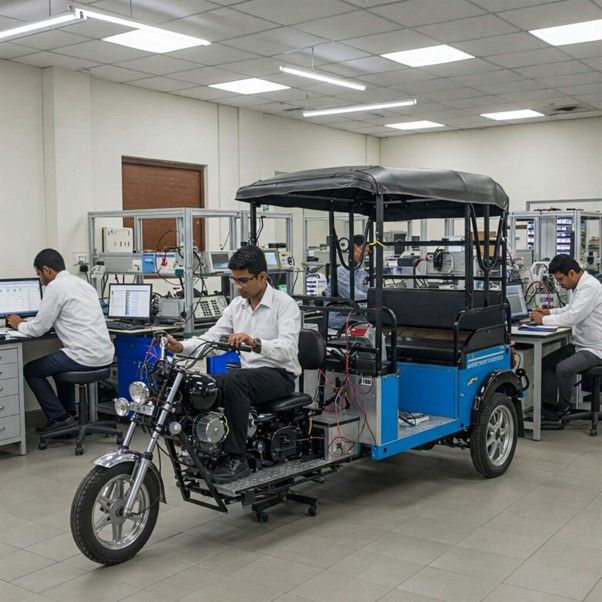
The wing felt less like a development centre and more like a secret laboratory. The e-rickshaw project was Sachdev’s own, closely guarded and built around ideas few others saw coming. He would pace the floor explaining the intricacies of the motor, the driver card and the solar integration, convinced that these humble vehicles would transform India’s dusty roads long before the rest of the industry caught on.
He tested the prototypes himself, driving them to their limits. When a motor hummed just right, or when the solar panels captured enough sun to extend a vehicle’s range beyond what the team thought possible, his focus turned to quiet satisfaction. For Sachdev this was never merely an e-rickshaw; it was a vision of an India that was self-reliant and powered by its own ingenuity.
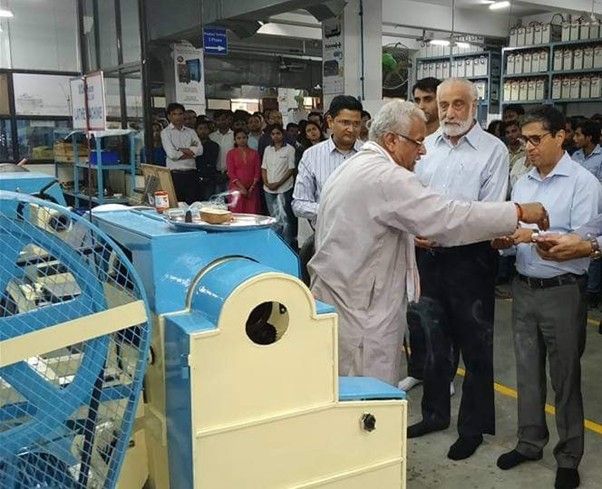
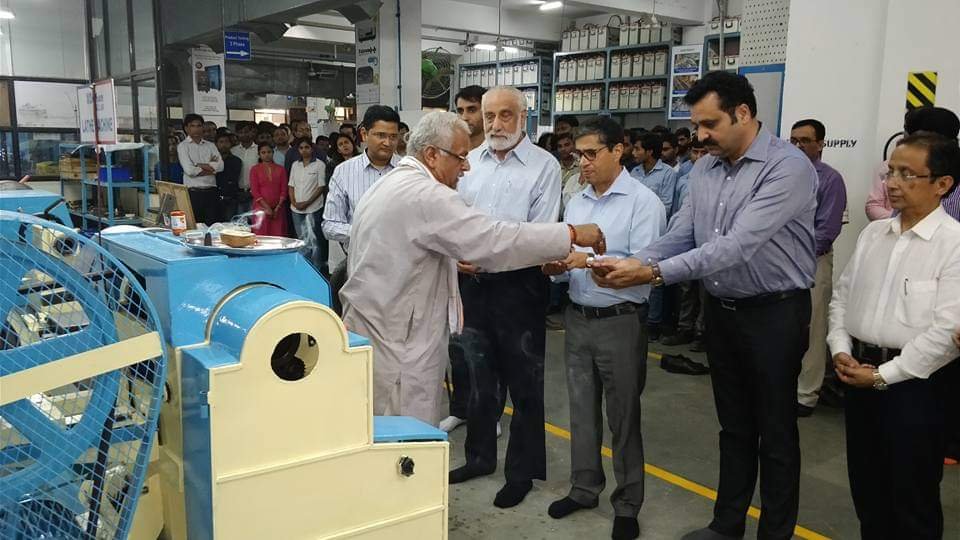
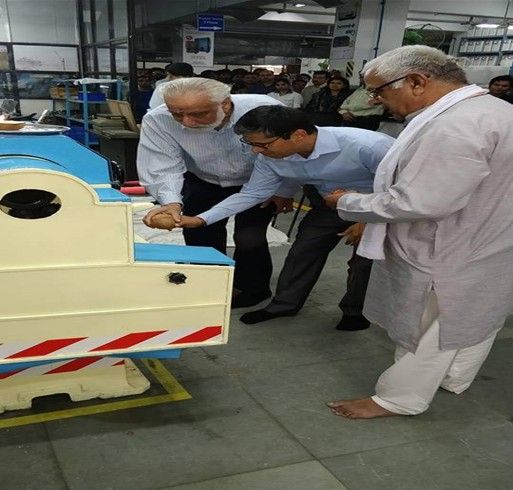
He was equally determined to keep Chinese imports at bay, speaking often, and with conviction, about protecting India’s manufacturing potential. That determination is what led Sachdev to Mr. Deepak Singh, a US citizen he met in the United States through a common friend. Deepak Singh was making high-power DC motors there, supplying an American company with motors for tractors and other high power-rating applications, some of it tied to confidential US defence projects.
When Sachdev shared his idea of developing an e-rickshaw motor for India, Deepak Singh agreed to set up a small R&D unit and plant inside Su-Kam’s own premises, travelling to India to inaugurate it himself. Remarkably, it all came together within six months of signing the deal.
The same motors being built in the USA were now to be made in India — and before long Su-Kam was exporting these India-made high-power motors back to the United States, a genuine milestone for an Indian company (see permanent-magnet generators, India).
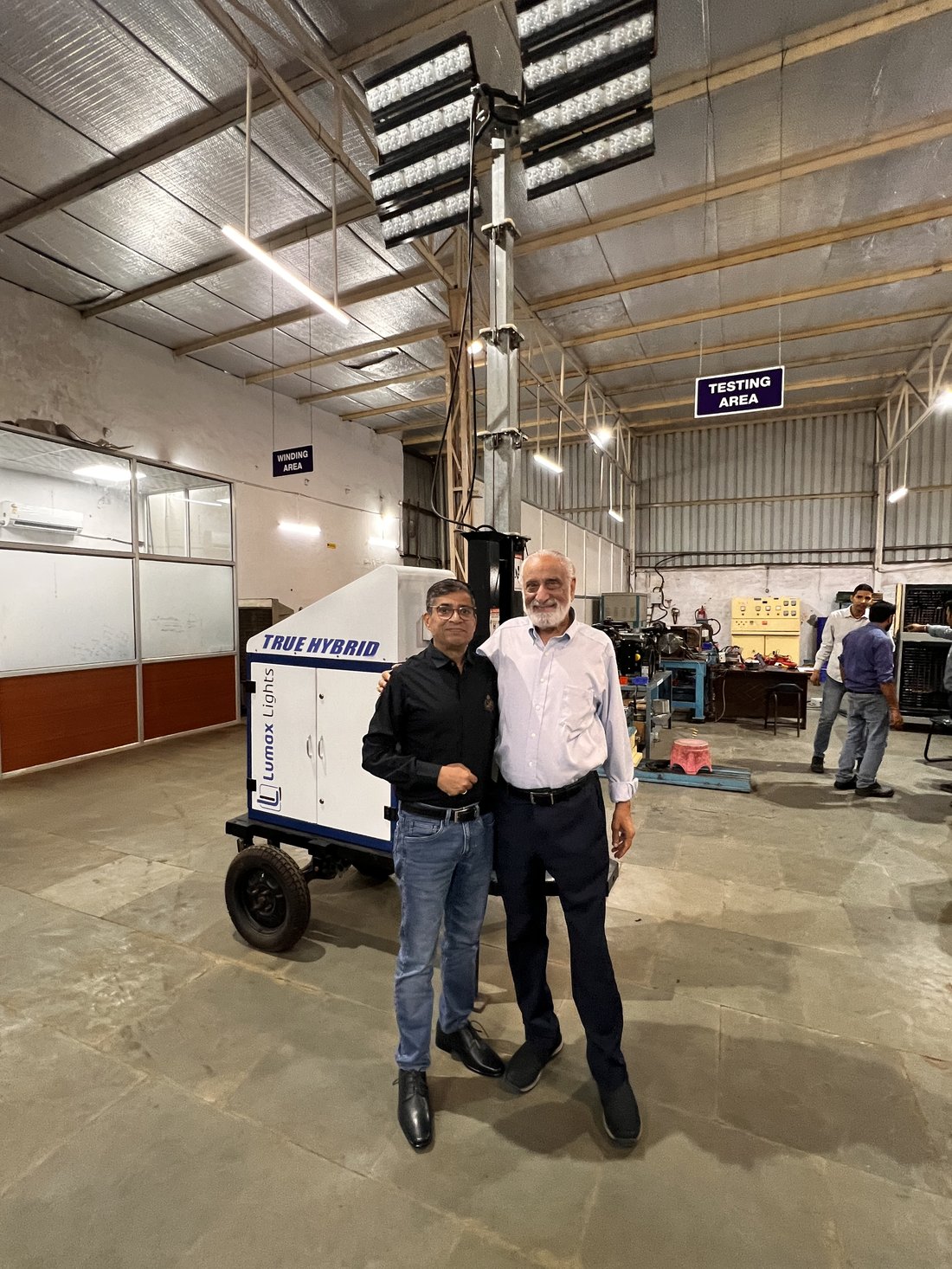
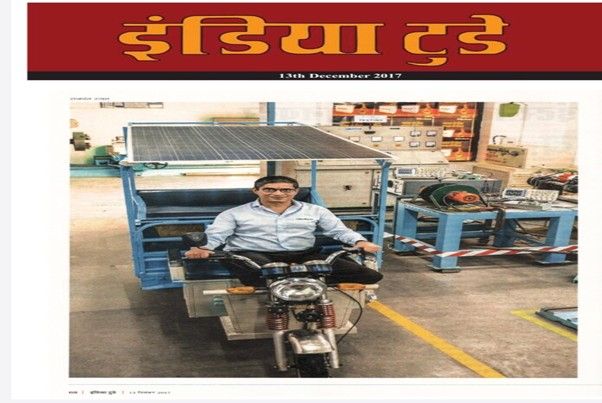
Today e-rickshaws are everywhere on Indian streets, yet their motors and driver cards are still largely imported. Had Su-Kam’s journey not been cut short by its bankruptcy, Sachdev’s plan would have seen those components made on Indian soil instead.
Those who worked alongside him remember not only his technical brilliance but his belief in his people — his knack for igniting passion in everyone around him and pushing them to reach their potential.
The e-rickshaw was one of many ideas Sachdev pursued ahead of its time. Though Su-Kam’s collapse left it unrealised, it remains a telling example of his instinct to see a quiet revolution coming long before others did — and his conviction that India could build it for itself.
Further Reading
The electric-rickshaw idea was an early sign of his move toward clean mobility and storage. More of his story is documented on his Wikipedia profile and across SolarManOfIndia.com, while Su-Kam’s company history is recorded on Wikipedia. His latest ventures continue at kunwwer.ai. Related on this site: how Kunwer Sachdev rebuilt with Su-vastika.
Disclaimer
Mr. Kunwer Sachdev, the original founder and visionary behind Su-Kam, is no longer associated with Su-Kam Power Systems Ltd. He has not been involved in the management, operations, or decision-making of the company for several years. Any products, services, communications, or representations made under the Su-Kam name have no connection to Mr. Kunwer Sachdev. His current efforts are entirely focused on new innovations and ventures under different entities, including his latest initiative, Su-vastika, which is redefining the energy storage and power backup industry.