By a former associate of Kunwer Sachdev
In the early days of rooftop solar adoption across India, stepping into clean energy felt like setting up an experimental laboratory. Homeowners and small businesses looking to harness photovoltaic panels had to purchase and wire a messy stack of discrete components: a standalone solar inverter, an external charge controller to manage battery charging, and manual changeover switches to alternate between grid power, solar input, and battery storage.
It was expensive, complex, and prone to installation errors. Most consumers saw solar as an intimidating science project rather than a practical household utility.
Kunwer Sachdev looked at this fragmented architecture and issued a definitive product challenge to the R&D labs: “Stop treating solar parts like separate Lego blocks. Put everything into a single, intelligent box that manages power seamlessly without requiring an engineering degree to operate.”

The Engineering Challenge: Intelligent Power Priority
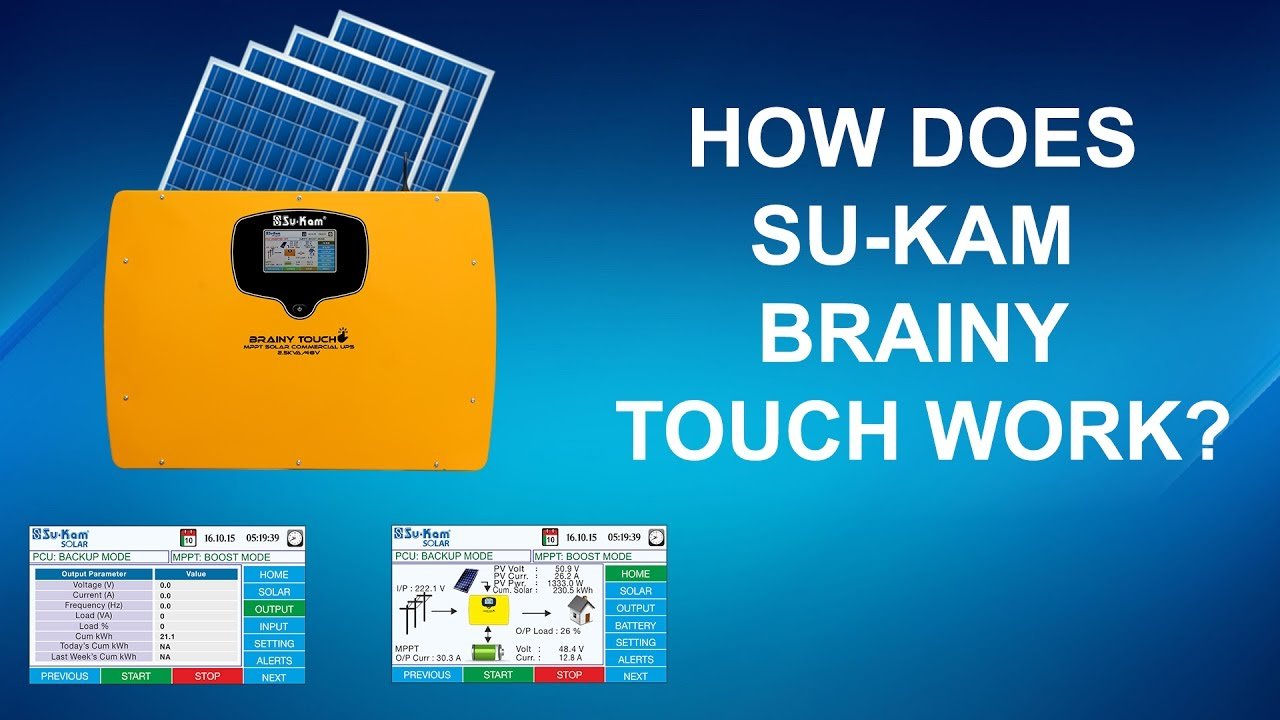
The result was the development of India’s pioneering Hybrid Solar Power Conditioning Unit (PCU).
Former R&D associates recall that the core technical triumph wasn’t just combining components into a single chassis—it was writing the logic that governed how energy flowed under erratic grid conditions. India’s power grids were notoriously unstable, characterized by erratic voltage fluctuations and unpredictable blackouts.
The Hybrid Solar PCU was engineered to make split-second, automated decisions based on a strict priority hierarchy:
- Solar First: Whenever sunlight was available, the system drew maximum power directly from the PV panels to run household loads and charge the batteries.
- Smart Grid Integration: If the load exceeded solar yield or when the sun went down, the unit dynamically blended grid power or seamlessly switched to storage without dropping sensitive equipment.
- High-Voltage MPPT Optimization: Paired with advanced DSP-based Maximum Power Point Tracking (MPPT) charge controllers, the PCU harvested up to 30% more energy from panels compared to conventional PWM controllers, even during overcast weather.
Moving From Demonstration to Scale
By condensing the entire solar ecosystem into a unified plug-and-play appliance, Sachdev transformed solar power from a niche luxury into a scalable commercial reality. It eliminated the friction points that terrified local electricians and retail dealers.
When the Hybrid PCU hit the market, it paved the way for large-scale deployments—from urban residential rooftops to massive rural electrification initiatives across hundreds of remote villages and institutional projects. It proved that renewable energy could be integrated into everyday infrastructure reliably and affordably.
Archival Legacy
The Hybrid Solar PCU laid the groundwork for modern smart energy management. It redefined what a power backup system could achieve, proving that the transition to clean energy required not just green ambitions, but obsessive product simplification.
Archival Context & Related Chapters
- Read about the foundational design breakthroughs in The Patent Obsession.
- Explore the physical space-saving innovations in The Matrix Inbuilt Battery Revolution.
- Deeper product iterations: Brainy Touch — The Dream That Touched the Screen and The Hybrid GTI Inverter.
- Review the verified patent timeline and intellectual property filings at solarmanofindia.com/patents.
Editorial & Archival Note: This account is compiled from former R&D logs, engineering post-mortems, and historical product documentation from the Su-Kam ecosystem. Kunwer Sachdev exited Su-Kam in 2019 and is not responsible for any operations or communications of the company post-2018.
Disclaimer
Kunwer Sachdev is no longer associated with Su-Kam Power Systems Ltd. References to Su-Kam here are historical and biographical. His current work continues through Su-vastika and related ventures.
InverterManOfIndia is an independent third-party editorial site. It is not owned, operated, sponsored, or endorsed by Su-Kam Power Systems Ltd., Su-vastika Systems Pvt. Ltd., or related parties.
Editorial Note · Independent Coverage
This article is part of an independent editorial series on invertermanofindia.com. It is written by a former associate of Kunwer Sachdev, drawing on first-hand observation during the period described. It is not authored, ghost-written, edited or approved by Mr. Kunwer Sachdev, by Su-Kam Power Systems Ltd. as the company exists today, or by any current entity he leads. The views, framing and interpretations are the writer's alone. Full independence and dissociation policy: /disclaimer.
Disclaimer: invertermanofindia.com is an independent editorial legacy site.