Part 1: The Man Who Proved It Was Possible
In 2003, India’s power electronics industry was fragmented, domesticated, and largely invisible outside the country.
Kunwer Sachdev asked a question almost nobody was asking: What if Indian engineering could compete globally at scale?
Not as a follower. As a leader.
He didn’t just ask. He set out to prove it.
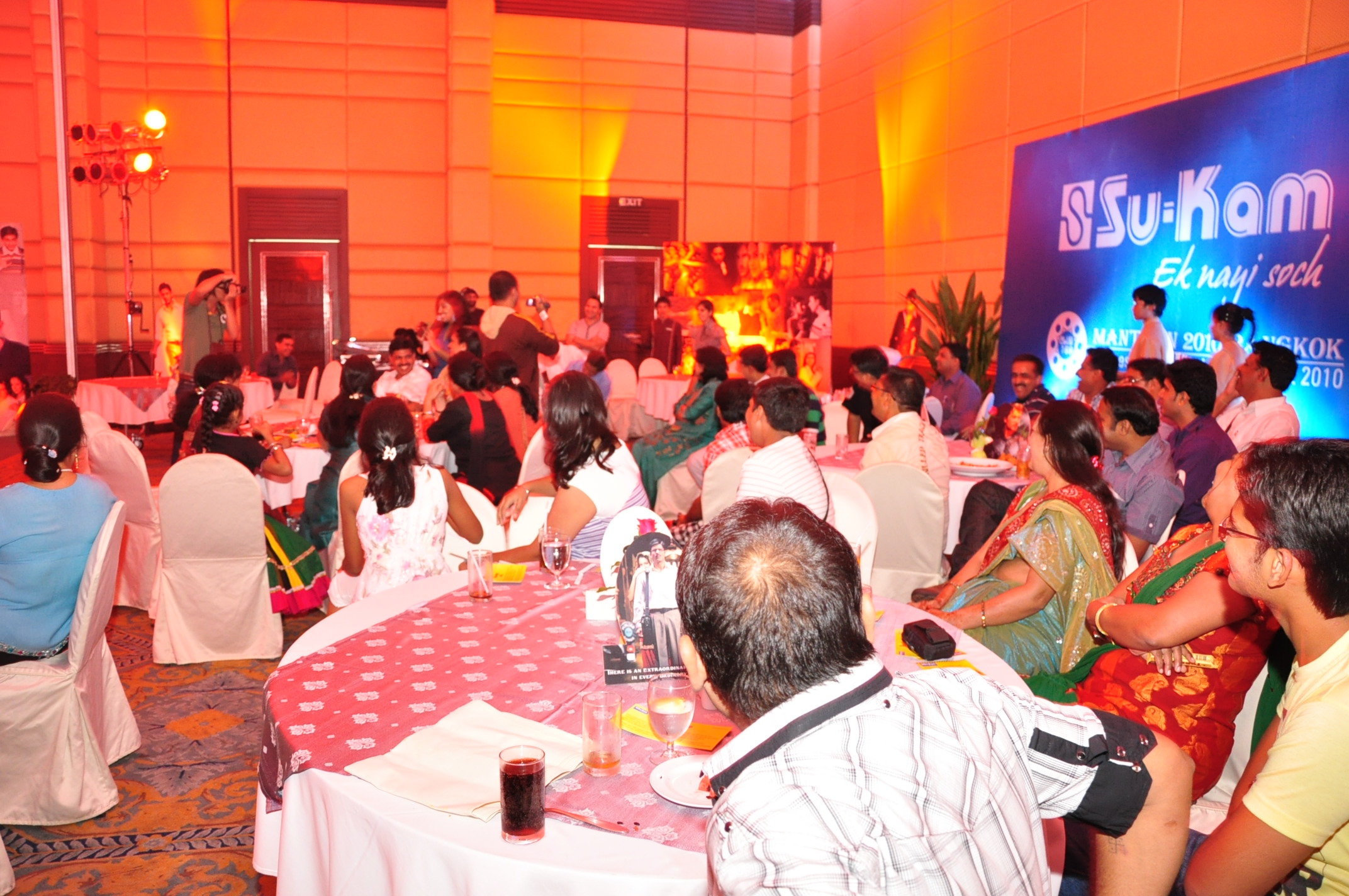
From 2003 onwards, he spent millions on R&D that competitors would later copy for free. He navigated SONCAP certifications in Nigeria—regulatory frameworks that made most Indian exporters turn back. He opened markets across 90+ countries that barely knew Indian power electronics existed. He filed 106+ technology patents that became industry benchmarks.
By 2016, Su-Kam was exporting ₹200+ crores annually. Not only selling products—building India’s global reputation in power electronics.
Every inverter working in Nigeria today sits on pathways he helped open. Every battery system operating across parts of Africa was enabled by relationships he built first. Every regulated export route in the Middle East that Indian companies now treat as routine was pioneered, in part, by that early work.
This is the infrastructure that enabled an industry.
Part 2: The Ecosystem He Built Is Worth ₹5000+ Crore Today
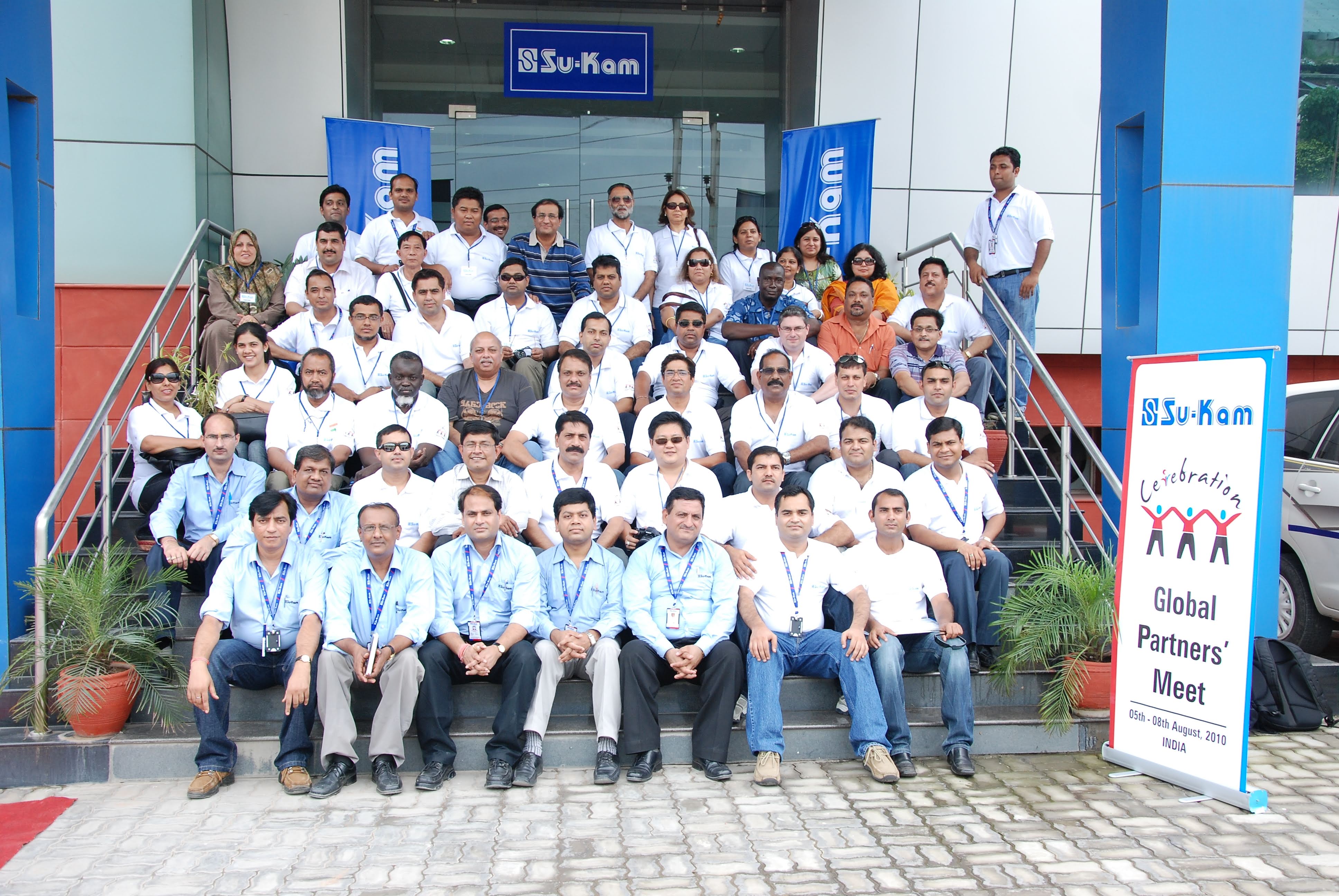
Many of the major players in India’s ₹5000+ crore inverter and battery industry have a direct lineage to Kunwer Sachdev.
Venkat Rajaraman trained at Su-Kam as CEO—learning how to scale global operations and what world-class standards demand. Today he is building Cygni Energy—a 4.8 GWh lithium battery manufacturing facility on a ₹500+ crore trajectory. The operational discipline behind that scale was shaped under Kunwer’s mentorship.
Dhananjay Sharma and Sanjeev Saini learned from Kunwer how to navigate African markets, move products across borders, and build distribution when the path was unmapped. They founded Invergy, now operating at ₹100+ crore scale. The strategic framework came from that training.
Jagdeep Chauhan started as an engineer under Kunwer, learned export operations, and entered markets others hesitated to enter. Today he runs EAPRO Global across Africa and the Middle East—multi-country operations that still echo the playbook Kunwer developed.
Ravi Dutt built Smarten on IoT-enabled power solutions—a direction Kunwer pushed years before the market had clean language for it.
These companies are thriving. They were built by people Kunwer trained. Together they sit inside an industry measured in thousands of crores.
The ₹5000+ crore Indian inverter and battery industry is, in a real sense, the scaled-out version of what he built at Su-Kam.
Part 3: The Markets He Opened Are Now Standard
Market entry looks routine now because someone already mapped the hard parts.
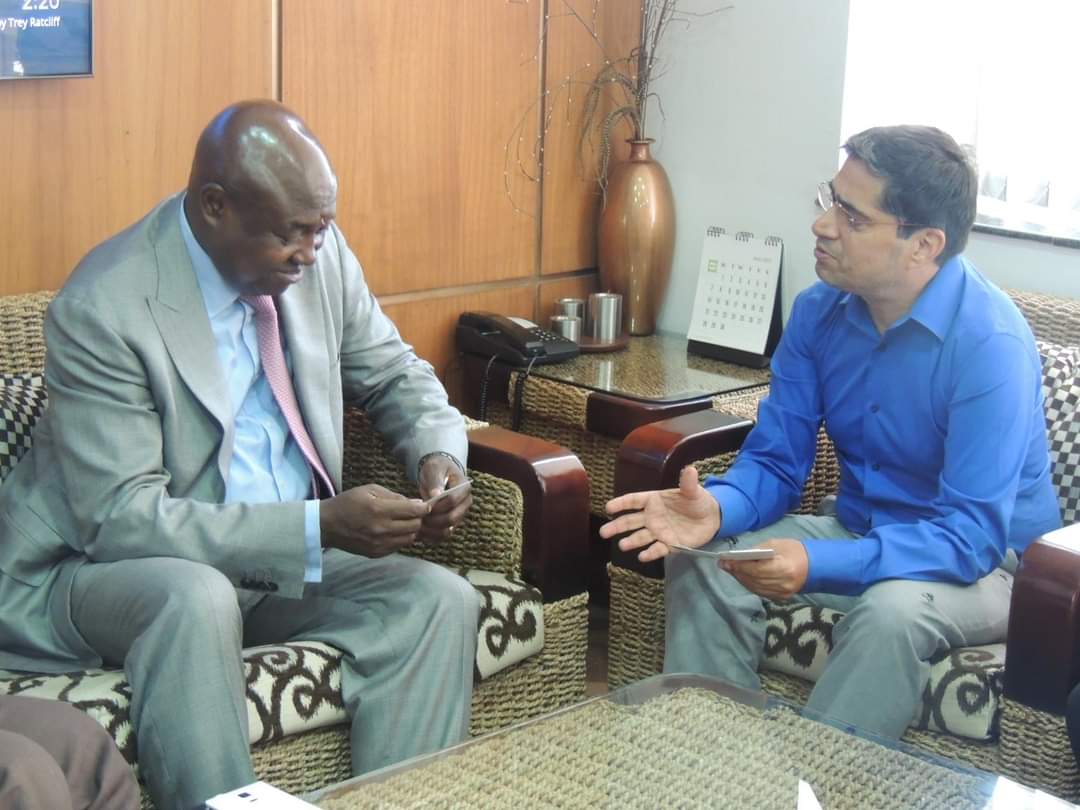
Nigeria and West Africa. In the mid-2000s, few Indian companies were successfully exporting power electronics into Nigeria. SONCAP compliance was a Byzantine nightmare. Kunwer spent millions on R&D for products that met African climate specifications and built relationships that became distribution backbone. Today, Indian power electronics is standard in Nigeria—not because the market was waiting politely, but because someone proved it was possible.
Afghanistan and Central Asia. While competitors hedged, Kunwer went personally, established Su-Kam’s presence in a politically difficult zone, and created demand for Indian power solutions. That market still exists.
South Africa and Southern Africa. German and Danish manufacturers had decades of presence. Kunwer broke through anyway—proving Indian engineering could compete on quality at competitive prices. Indian companies still compete there because that door was forced open first.
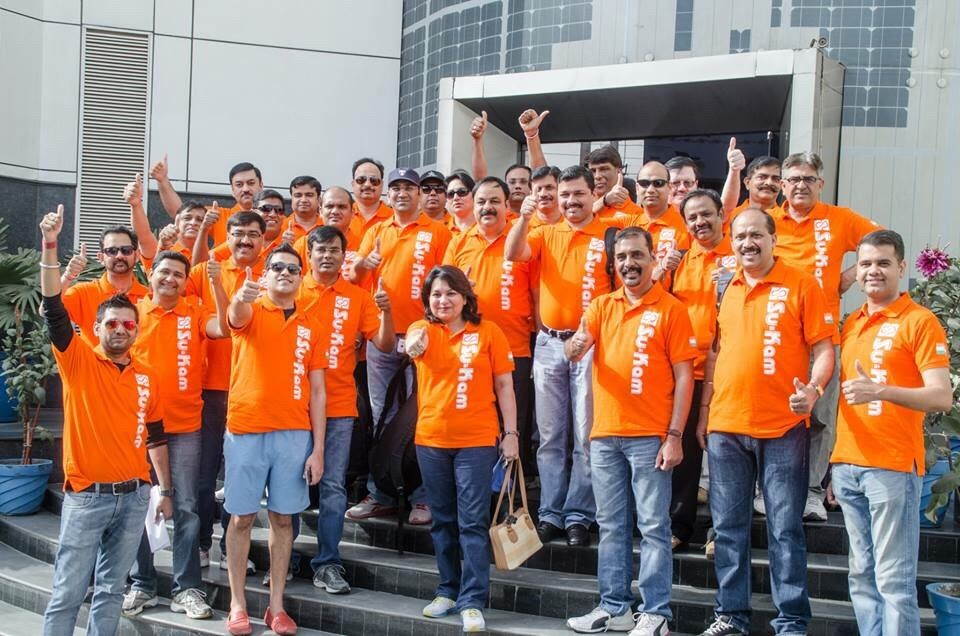
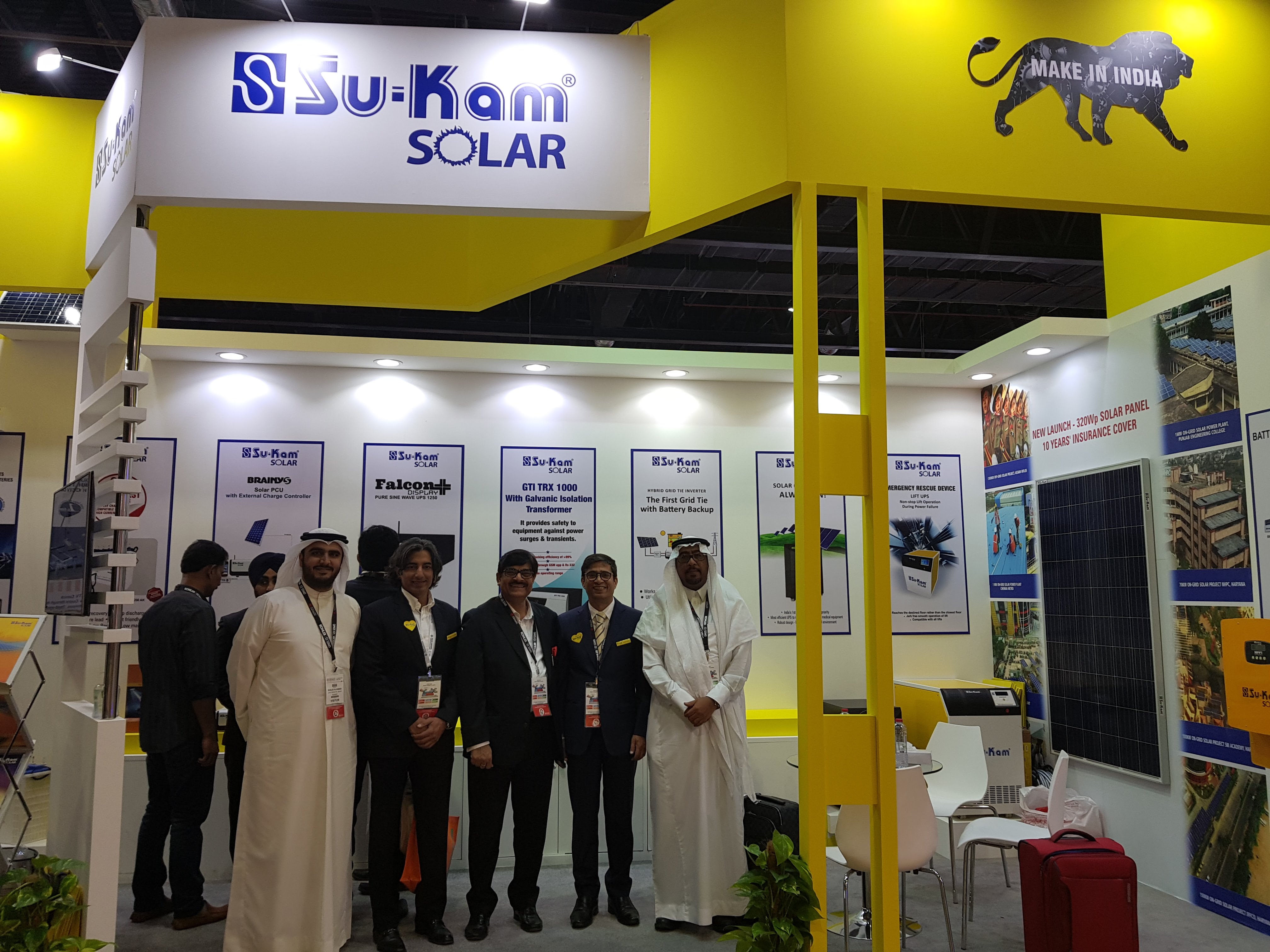
Middle East and Gulf. Su-Kam Dubai became a formal hub. Relationships across UAE, Saudi Arabia, Kuwait, Qatar, and Oman followed. Distribution networks were built under a simple brand claim: Made in India, world-class quality.
These markets are now standard territory for Indian exporters. Many of them were opened first by Kunwer Sachdev.

Part 4: The Resolution Phase—And What Came After
In 2018, Su-Kam was brought into the Corporate Insolvency Resolution Process. What followed was an eight-year journey of reorganization, asset assessment, creditor negotiation, and ultimately, asset liquidation.
By late 2025, property was sold to satisfy the repayment plan. Creditors received distributions from the proceeds. On April 6, 2026, the National Company Law Tribunal passed a discharge order: Kunwer Sachdev was legally discharged from all debts and liabilities settled under the repayment plan.
The NCLT case closed. Legally, he was free from personal guarantee obligations.
But the infrastructure he built remained.
The people he trained continued to scale. The markets he opened continued to operate. The technical standards he pushed continued to guide practice. The ecosystem kept growing—often without his name attached, but still standing on foundations he laid.
Part 5: While The Institution Changed Hands, The Legacy Persisted
Something notable happened between his NCLT discharge in April 2026 and August 2026:
Venkat Rajaraman continued building Cygni Energy. The plant under construction reflects global standards Kunwer insisted on at Su-Kam.
Dhananjay and Sanjeev scaled Invergy further. Export markets they entered still use regulatory navigation patterns first learned under Kunwer. Distributor relationships still follow relationship-building habits he modeled.
Jagdeep Chauhan expanded EAPRO. Multi-country infrastructure still follows market-entry logic Kunwer refined earlier.
Ravi Dutt kept pushing Smarten. The IoT-power architecture he works inside is a continuation of ideas Kunwer was already chasing.
All of them are succeeding—not despite Kunwer stepping back, but because he built systems that could work without him at the centre.
That is the mark of real infrastructure: it persists and scales even when the architect is no longer steering it.
Part 6: The Impact Nobody Disputes
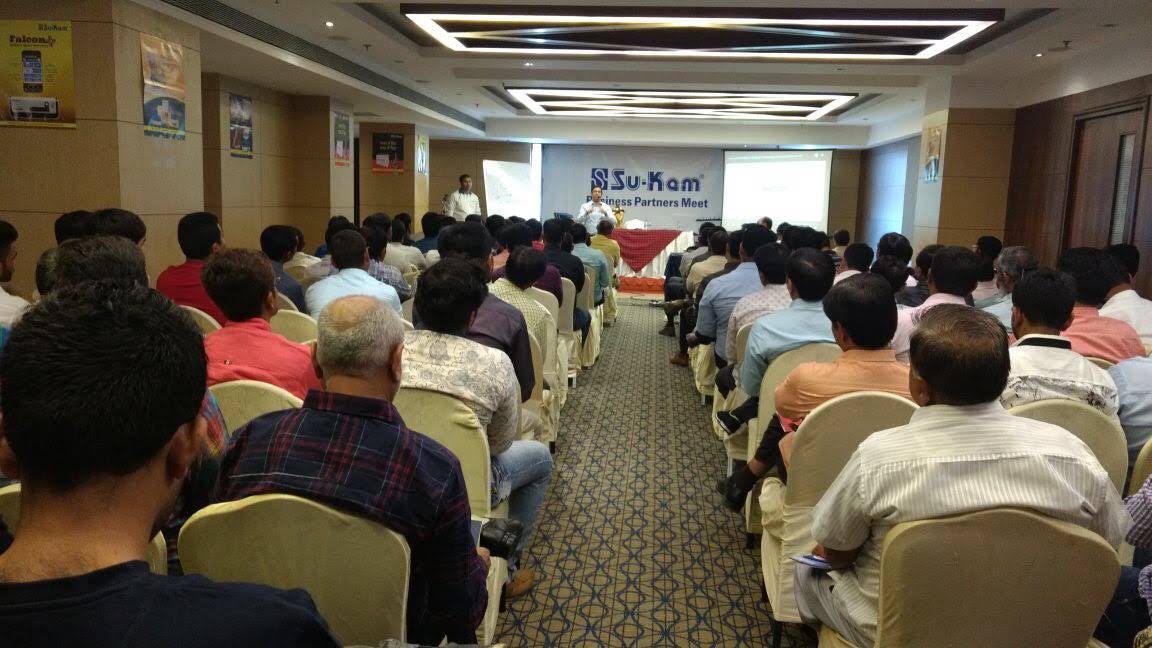
The ₹5000+ crore inverter and battery industry is one of India’s quieter manufacturing success stories. Lithium battery manufacturing is expanding. Solar-backed power systems are common across African and Middle Eastern homes. Indian power electronics is taken seriously in markets that once ignored it.
Much of that ecosystem traces back to a decision made in 2003: to prove Indian engineering could compete globally.
- The 90+ countries of export reach? Those routes were mapped early at Su-Kam.
- Regulatory compliance knowledge across Africa and the Middle East? SONCAP, ESMA, and customs frameworks were navigated when few others would try.
- A generation of founders now scaling globally? Many of them were trained inside that organisation.
- Technical standards competitors still copy? Many began as Su-Kam experiments.
He built the road. Others commercialised it. But many of the highways were first drawn by him.
Part 7: The Trained Generation Is The Living Proof
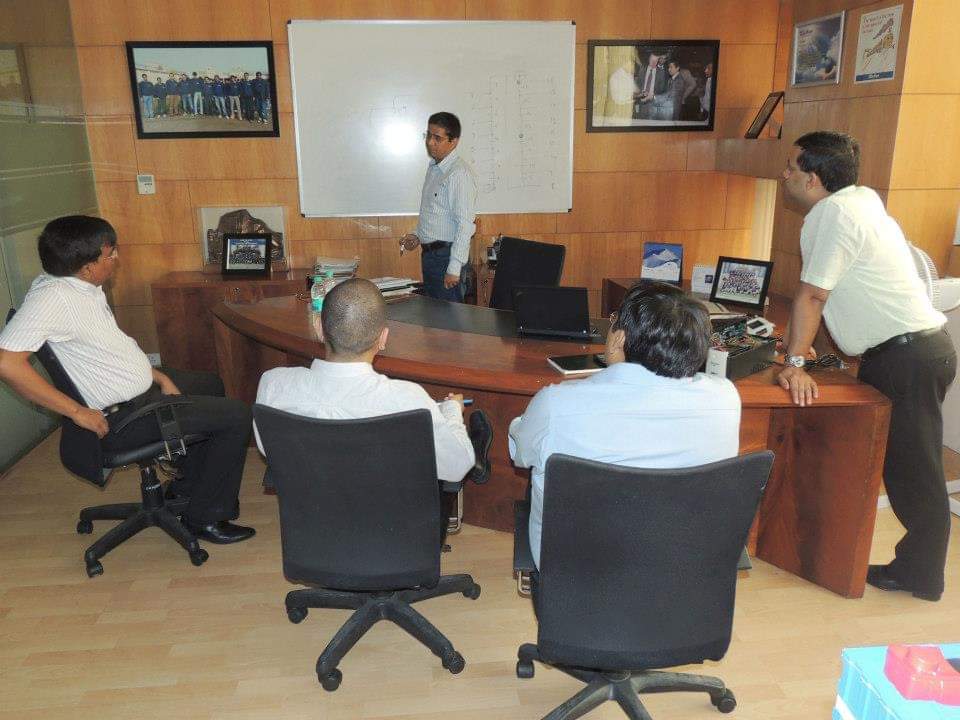
The clearest proof of what Kunwer created is no longer only in Su-Kam. It is in the companies his people founded.
Cygni Energy’s 4.8 GWh ambition. Invergy’s ₹100+ crore operations. EAPRO’s multi-country presence. Smarten’s IoT-power work. Operating at scale. Recognised. Hiring. Exporting.
Each of them exists, in part, because a man trained them.
Not only in technical skills—in the mindset of a global operator. In the belief that Indian engineering could stand with the world. In the discipline of building systems that travel across borders.
They did not steal that knowledge. He gave it to them deliberately.
Their success is living evidence that what he built was worth building.
Part 8: The Paradox—Discharged But Still Restricted
In August 2026, a legal paradox remains:
Civilly: He is discharged from personal guarantee obligations. The NCLT case is closed. Creditors are satisfied.
Criminally: CBI and ED cases continue without a visible endpoint. Banking restrictions remain active despite civil discharge. He cannot access credit facilities other entrepreneurs use freely.
Civil discharge does not automatically become criminal clearance. Legal release from one process does not mean institutional acceptance in another.
But one fact sits beside that paradox: the ecosystem he built does not depend on his banking access.
His trained leaders have banking access. They are building companies, scaling operations, hiring talent, manufacturing products, and exporting.
The legacy is working independently of his current restrictions.
Part 9: The Continuing Creation—Still Building The Future
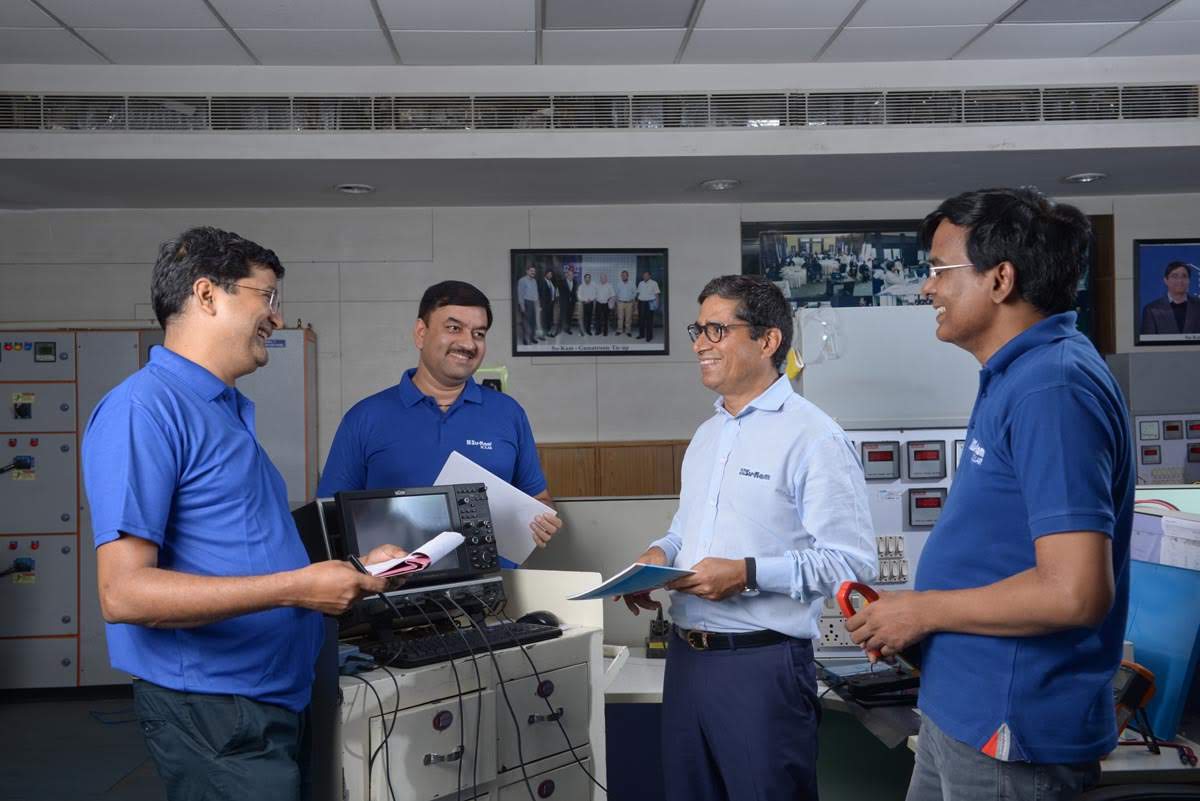
In 2026, through Su-Vastika Systems and Kunwwer.ai, Kunwer continues to file patents—nearly two a month. More than 106 technology filings across power electronics, battery systems, and AI-driven solutions.
He is still inventing.
Not to vindicate himself. Not to win an argument. Because creation is the work.
Some of the next generation of power-electronics ideas will come from patents filed in 2026 and after. The industry will benefit whether or not his name stays attached when those ideas are commercialised.
That seems to be the point for him: that the innovations exist, that India’s technical foundation gets stronger, that the ecosystem keeps evolving.
The patent rate is a quiet signal: a mind still working. Undiminished.
Part 10: The Unresolved Question
In August 2026, one question still hangs over the personal story: how long will the criminal investigations continue?
There is no trial date. No expected resolution. No clean moment when the case will simply be “over.”
What is not in question: what he built is durable.
The markets he opened do not close because of his current status. The people he trained do not forget. The technical standards he pushed do not vanish. The ecosystem does not collapse.
Whatever happens next in the criminal process, the infrastructure persists.
That is the definition of a legacy that matters.
Part 11: Why This Story Defines India’s Export Potential
Kunwer Sachdev’s journey from 2003 to 2026 shows something larger than one company: Indian entrepreneurs can build global infrastructure.
He did not import a ready-made Western model. He built something original, navigated hard regulatory systems across continents, trained people to operate at global standards, and created ₹200+ crore annual exports at a time when most Indian manufacturers never left the domestic market.
The ₹5000+ crore industry that followed is proof of concept that scaled.
Every Indian company now operating across dozens of countries is walking, at least partly, on roads paved in that era. Every engineer trained in global market navigation learned from people who learned from that culture. Every regulatory pathway conquered was first attempted by someone willing to go first.
India’s competitive advantage here is not only product—it is the ability to build infrastructure that works globally.
And that advantage exists because, in 2003, one founder decided to prove it was possible.
Part 12: The Real Measure of Impact
In 2026, when India looks at its ₹5000+ crore inverter and battery industry, the celebration includes the direct descendants of that early vision.
The trained leaders are rightfully recognised. Their companies are valued. Their innovations are covered.
But for anyone who knows the industry from the inside, the origin line is clear: much of it traces back to one man who built proof of concept that worked at scale.
He built so others could succeed on roads he paved. He trained people who went on to exceed his own commercial reach. He created infrastructure that operates independently of his personal circumstances.
That is high entrepreneurial impact: systems strong enough to persist and scale without you.
His name may not appear in every case study. His role may not be credited in every success story. His contribution may dissolve into the collective narrative of “the inverter industry’s rise.”
But the impact is hard to erase. The ecosystem is real. The trained leaders are thriving. The markets are open.
The measure of what he built is not only what happened to him. It is what continues to exist and grow because he was there first.
Conclusion: The Legacy That Persists
Kunwer Sachdev’s story from 2003 to 2026 is, at its core, an infrastructure story.
He built export pathways. He built a trained ecosystem. He built technical standards. He built relationships across continents. He built proof that Indian engineering could compete globally.
In 2026, that infrastructure sits inside a ₹5000+ crore industry. It employs thousands. It exports. It lets the next generation of companies scale faster than the first generation ever could.
None of that arrives fully formed without the decision, in 2003, to build it.
The personal circumstances of 2026—the open criminal cases, the banking restrictions, the institutional friction—matter. They are real. They are unresolved. They are also secondary to a harder fact: what he created persists. What he built scales. What he proved remains possible.
That is the story worth telling.
India does not only need to catalogue what was done to him. It needs to recognise what he did for the industry.
And that story—the impact, the infrastructure, the trained ecosystem, the global markets—is still being written.