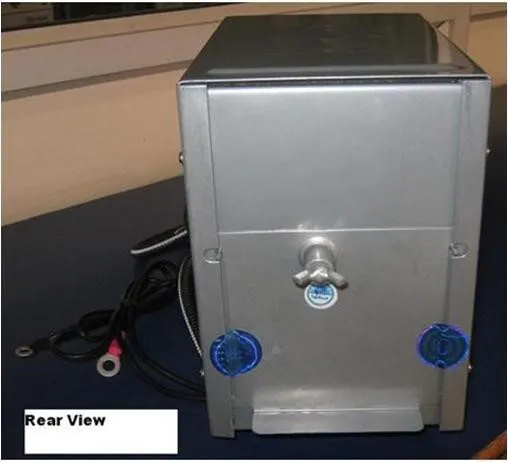
The Locomotive That Lost Its Wheels
In 2004, Kunwer designed an inverter shaped like a locomotive engine — a bold aesthetic gamble for India's bedrooms. The product was perfect. The packaging was not. One oversight destroyed an entire launch and delivered a brutal lesson about the inch of execution that separates triumph from ruin.
The Inverter in the Suitcase — How Nigeria Became Su-Kam's First Export Market
In 2003, Kunwer Sachdev carried an inverter to Nigeria in his hand luggage, got it confiscated at the airport, and watched it installed on a car battery in a Lagos home by someone he'd just met. That first sale launched an export business spanning 70+ countries. Nobody in India's inverter industry had tried this before.
Power on Wheels — The Truck That Took India's Biggest Inverter on Tour
When Su-Kam built India's first IGBT-based high-capacity inverter, the problem wasn't the technology — it was that nobody believed it could replace a diesel generator. Kunwer's answer was a custom demo truck that drove the proof across India. What happened on that tour taught him as much about marketing as about engineering.
The Ten Million Dollar Partner — How Reliance Came In, and What It Cost
In 2005, Su-Kam became the first inverter company in India to receive institutional investment — a $10 million cheque from Reliance Power Fund. It was the validation of everything Kunwer had built. Within years, the relationship had become the single most destructive force in the company's history. The story of how a wrong investor can undo what a right founder built.
The Brand Before the Budget — How Su-Kam Built Its Name Without a Marketing Manual
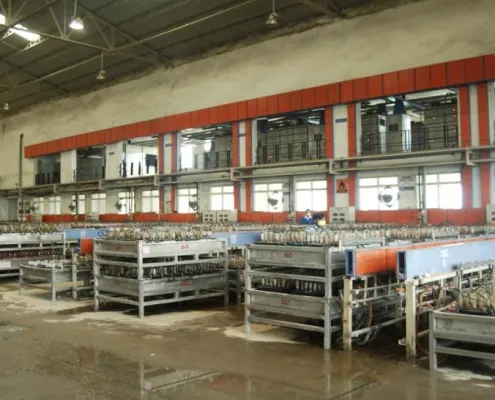
Su-Kam became India's most recognised inverter brand without a traditional marketing department for most of its growth years. What it had instead was a founder who understood instinctively how attention works — from hand-painted boards at dealer shops in 1999, to Google Location videos of factories in 2012, to a branding philosophy that competitors copied for two decades.
The Double-Conversion Gamble — Su-Kam's Online UPS and the Israeli Connection
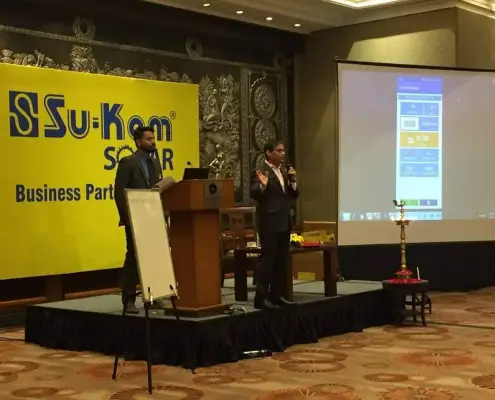
In 2006, Kunwer Sachdev partnered with Gamatronic of Israel to manufacture online UPS systems in India — the first time double-conversion technology would be produced domestically. The technology worked. The market moved in a different direction. A story about being technically right and commercially early.
The Boards Nobody Believed In — Su-Kam's SMD Revolution
In the early 2010s, the inverter industry ran on through-hole PCBs — bulky, hand-soldered, slow to manufacture. Kunwer Sachdev saw Surface Mount Device technology coming and moved Su-Kam to it before any domestic competitor had tried. What followed was a transition that transformed the company's manufacturing and eventually became the industry standard — despite everyone saying it would fail.
The Solar Trolley That Followed the Army — India's First Mobile Military Solar System
India's Army needed solar power that could move with the troops — deployable, packable, operational anywhere. Nobody had built it for them. Su-Kam spent more than a year engineering a solar panel trolley that could be opened in the field, generate power on the move, and fold back for transport. When the Army came to inspect it, the machine worked. So did the relationships it built.
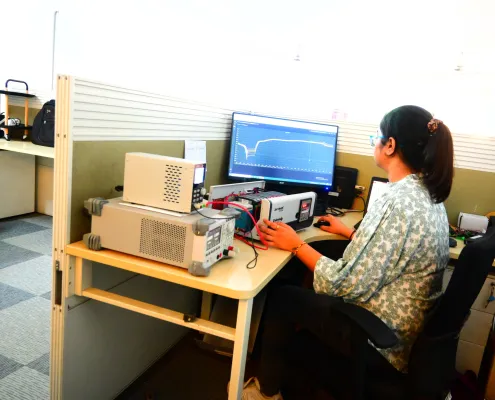
The Ashes of Su-Kam — How This Chronicle Was Born
After the bankruptcy of Su-Kam, Kunwer Sachdev found himself in a depression that the business press could not cover and the courts could not address. What lifted it was a single, quiet decision: to write down everything he had built. This is the chapter that precedes the chronicle — and explains why it exists at all.
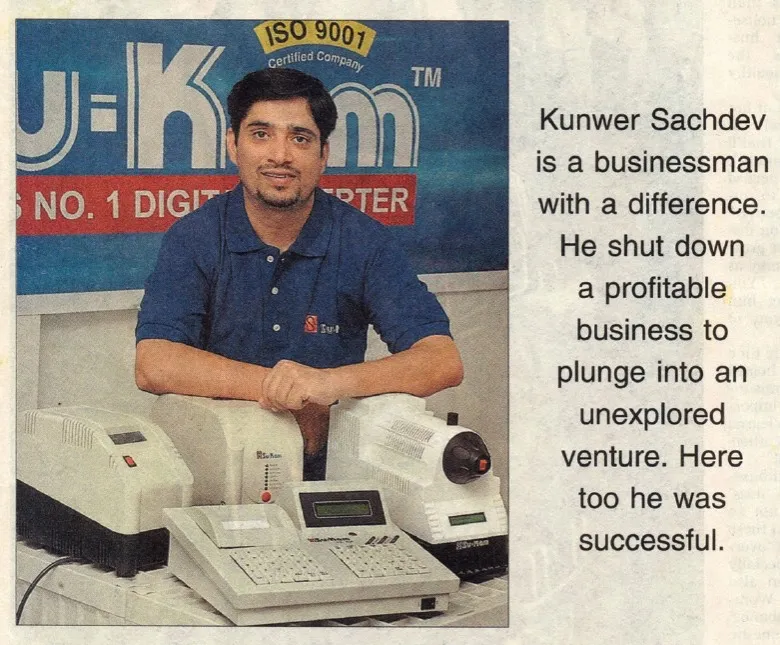
The Accidental Inventor: How a Broken Inverter Started It All
In 1998, Kunwer Sachdev encountered a malfunctioning inverter and saw not a product problem but a market opportunity. What followed was the creation of India's first MOSFET-based inverter — and the company that would eventually power 70+ countries.
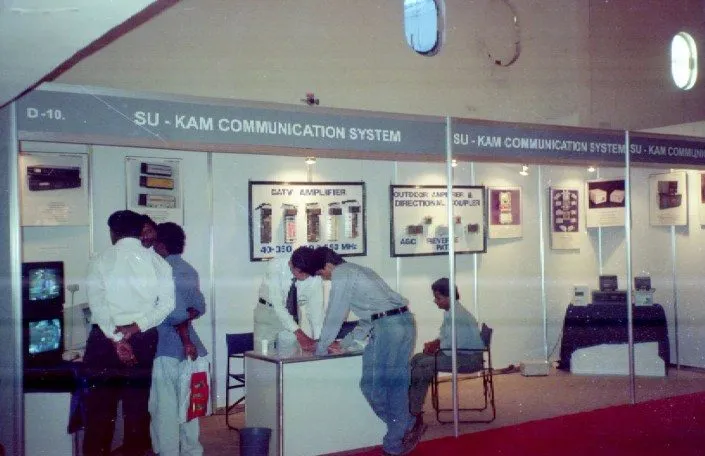
Before the Inverter, There Was the Cable Box: Kunwer Sachdev's First Venture
In 1988, long before Su-Kam existed, Kunwer Sachdev built his first business in cable television — importing spectrum analyzers from Hong Kong, distributing EchoStar satellite receivers, and learning the lessons that would later build a ₹2,300 crore empire.
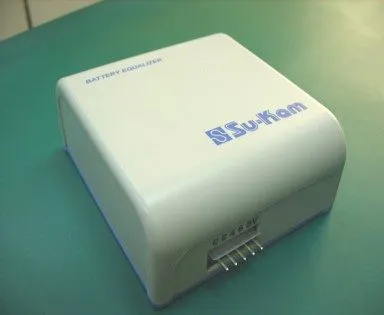
Chic: The Plastic Inverter That Won India Today's Innovation Decade Award
In 2003, Kunwer Sachdev launched India's first plastic-body inverter — overcoming sceptical engineers, a patenting mistake that let competitors copy the design, and a material challenge that required partnering with GE Plastics. The result won a national innovation award and stayed in Indian homes for twenty years.
Home UPS: The Day Kunwer Sachdev Named an Industry
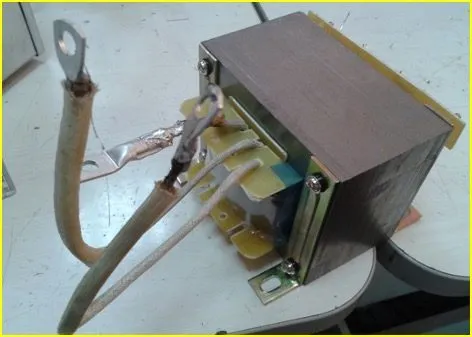
In 2005, Kunwer Sachdev launched a product called the Home UPS — a device that could keep computers and televisions running through a power cut without any gap or flicker. Within a year, every competitor in India was calling their products the same thing. One man named an entire product category.
The Hum: How Kunwer Sachdev Built India's First Sinewave Inverter
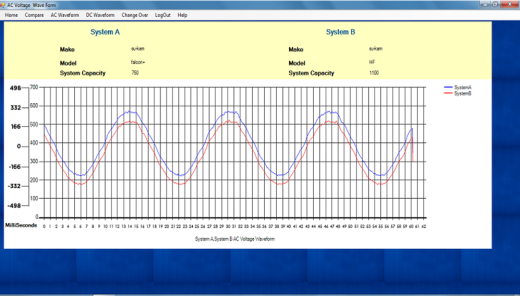
Square wave inverters made appliances hum, shortened their lifespan, and flickered television screens. In the mid-2000s, Kunwer Sachdev set two R&D teams against each other to crack sinewave technology — and then had to personally educate dealers who had never heard the term.
The Dish Antenna on the Prime Minister's Roof
Before he built inverters, Kunwer Sachdev installed satellite dish antennas at the Prime Minister's house, the President's residence, and the homes of every military chief in India. How a cable TV distributor built a reputation that no advertising budget could have bought.

The Spectrum Analyser That Went Through Customs Hell
In 1992, Kunwer Sachdev bought a rare Spectrum Analyser at a Hong Kong exhibition — then spent three months fighting Indian customs to get it out of a warehouse. What he did next revealed everything about how he would build Su-Kam.
✍️
More chapters coming
The chronicle is being written in real time. New chapters on the Su-Kam rise, the plastic-body inverter revolution, solar projects, and what the NCLT years really looked like — coming soon.
Submit a memory